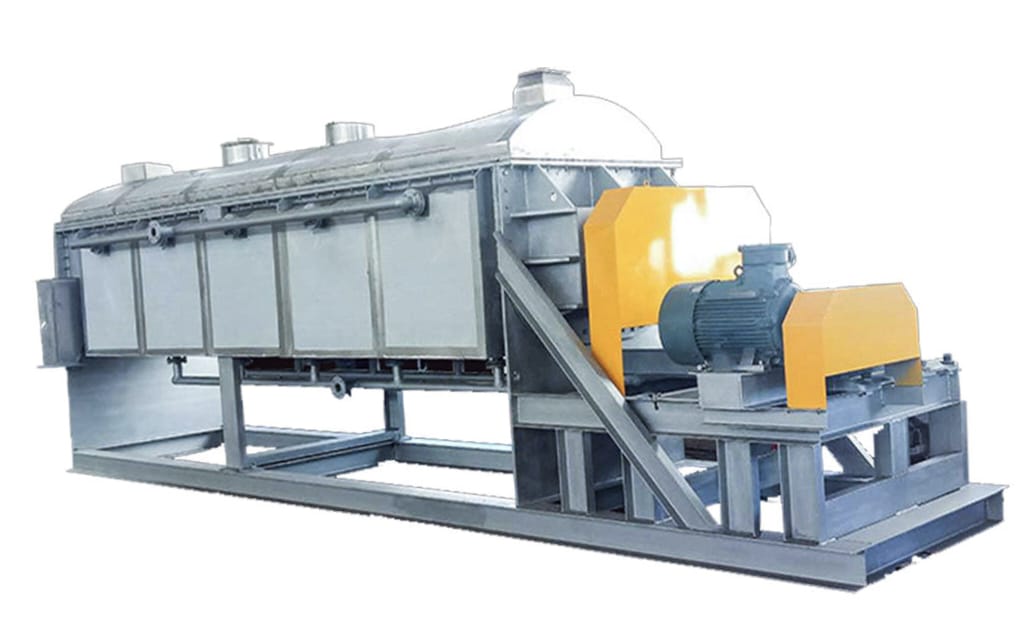
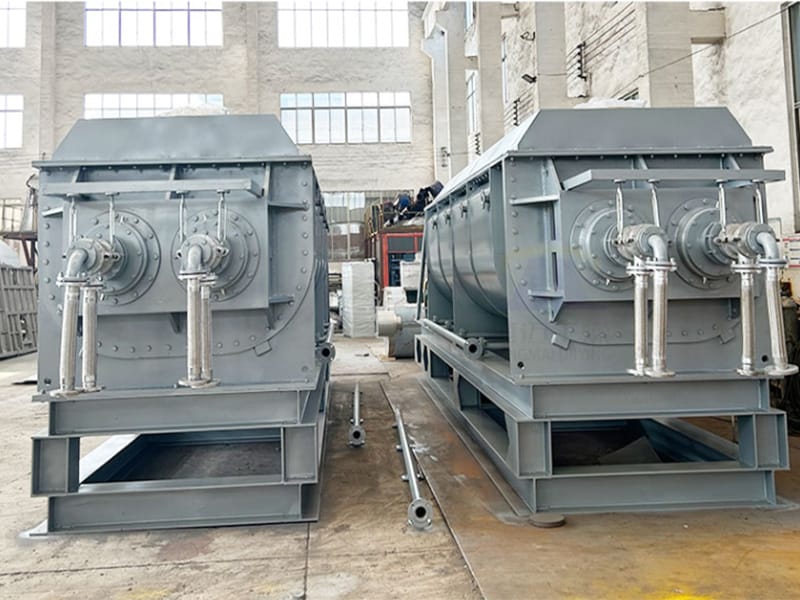
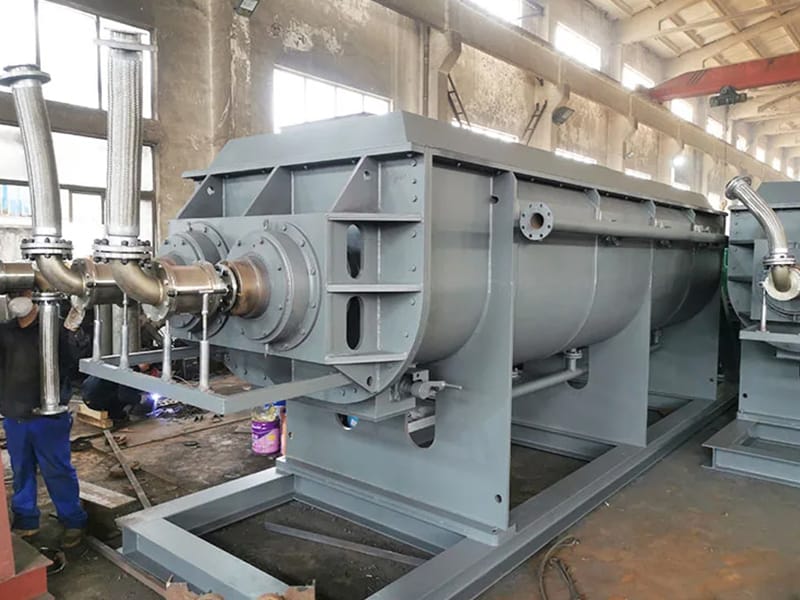
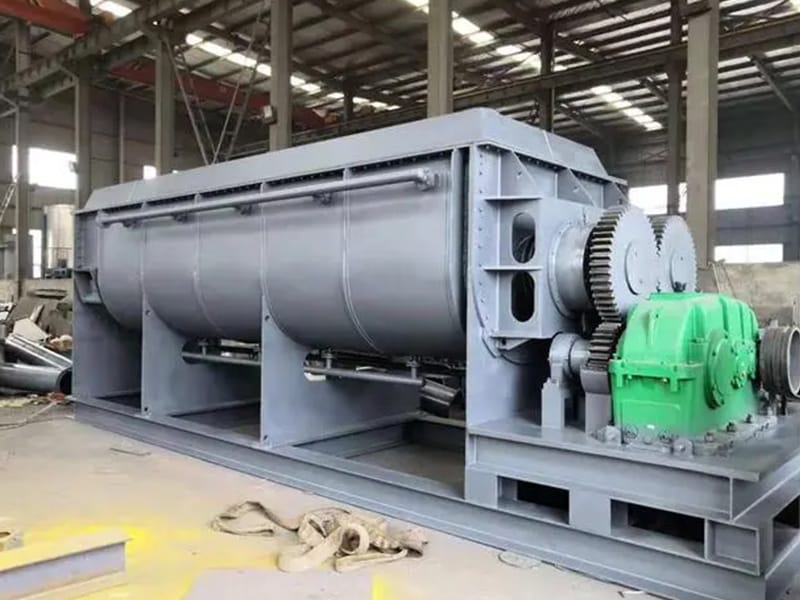
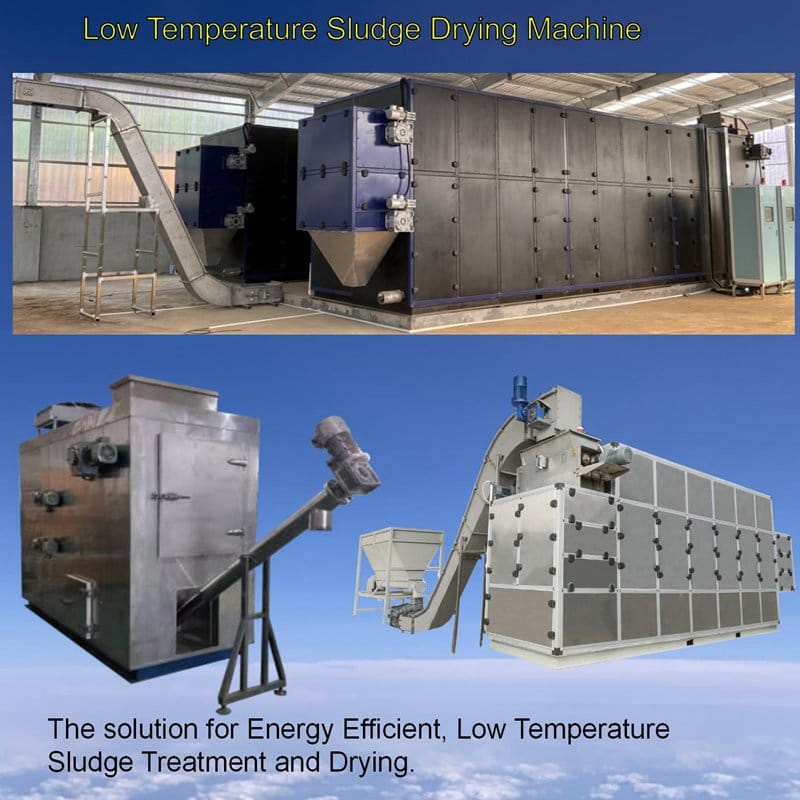
A sludge dryer machine is used to reduce the moisture content of sludge, turning wet sludge into a drier, more manageable form. It’s widely used in waste treatment and resource recovery, especially where sludge is generated as a byproduct.
Used for: Drying sewage sludge.
Purpose: Reduces volume and weight for easier handling, transport, and disposal. Dried sludge may also be used as fertilizer or fuel (depending on composition).
Industries: Chemical, Textile and dyeing, Food processing, Pharmaceutical, Pulp and paper
Purpose: Dehydrates sludge from effluent treatment plants (ETPs), reducing environmental impact and disposal cost.
Used for: Drying oily or chemical-laden sludge.
Purpose: Safe disposal or potential recovery of resources (e.g., fuel value).
Used for: Drying sludge containing heavy metals, grinding residues, or tailings.
Applications: Reduce volume and safely handle or reclaim valuable materials.
Used for: Drying digestate or sludge from anaerobic digesters.
Purpose: Produces drier, nutrient-rich material that can be reused as compost or soil conditioner.
Used for: Drying organic sludge containing fats, proteins, and residues.
Applications: Volume reduction and odor control; may also recover usable organic matter.
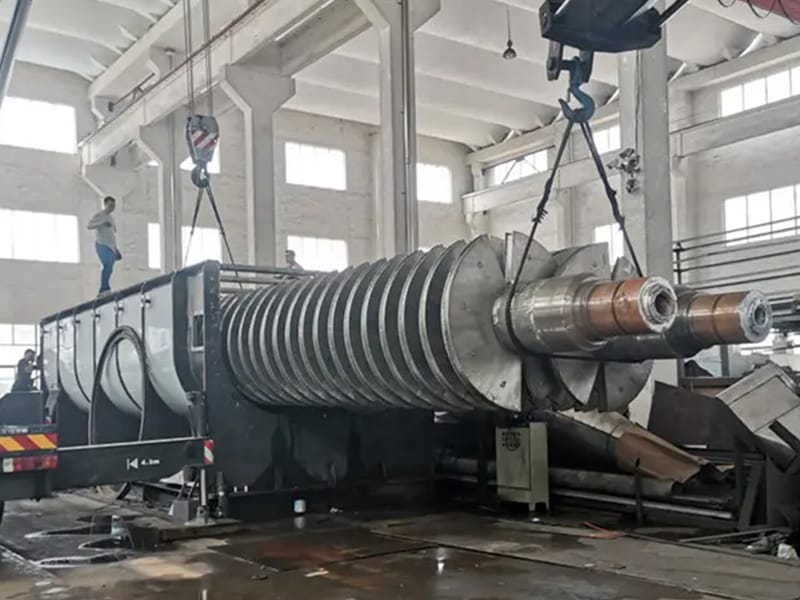
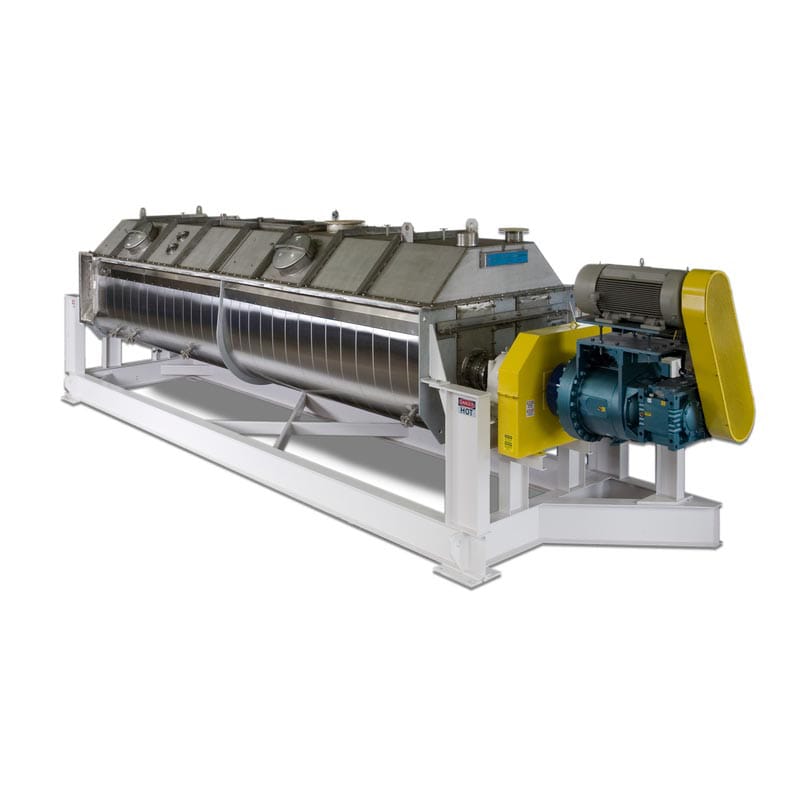
Paddle dryers
Rotary drum dryers
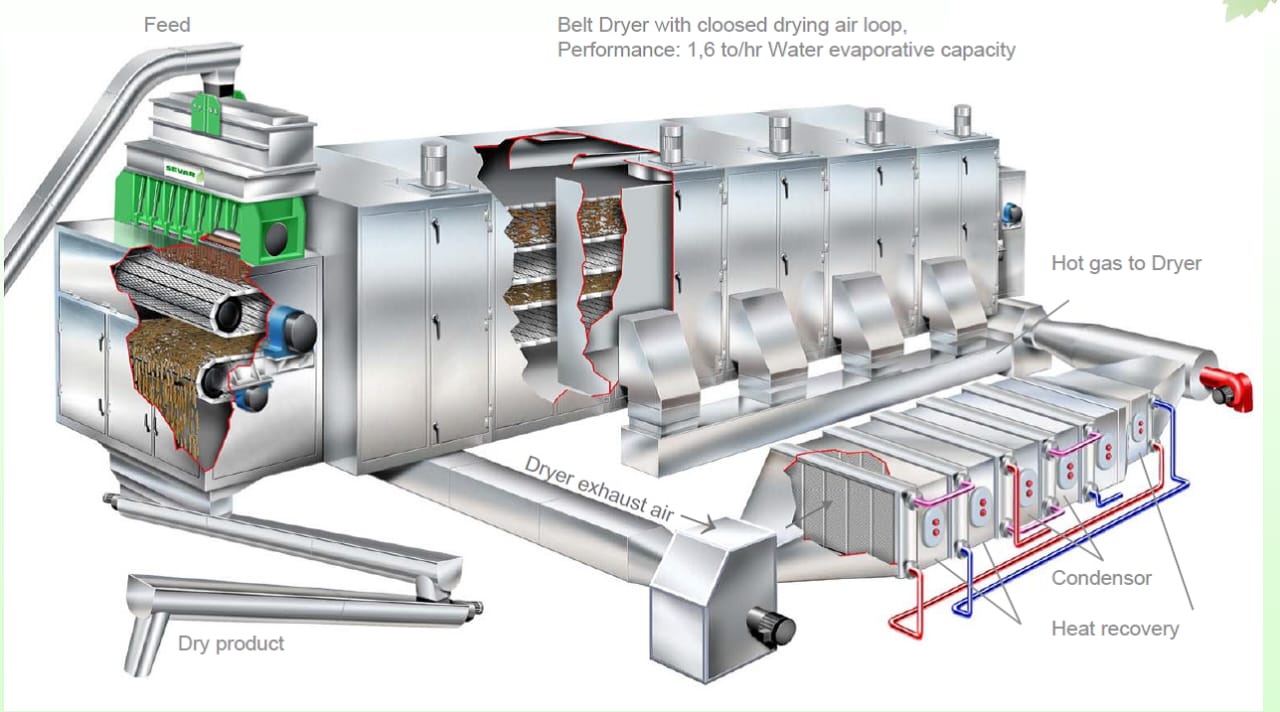
Belt dryers
Fluidized bed dryers
Solar dryers (for low-cost, low-energy options)
Reduces disposal costs (by weight and volume).
Converts waste to reusable forms (e.g., fertilizer or fuel).
Minimizes environmental risks (leachate, odor, pathogens).
Complies with environmental regulations.
With years of experience in mechanical and rotary engraving, we deliver precision, durability, and customization across a wide range of industries. Whether you’re looking for deep-engraved metal nameplates, textured rollers for high-speed production, or branded components that stand the test of time, we offer high-quality solutions tailored to your needs.
Let us help bring your project to life—with craftsmanship, accuracy, and a commitment to quality that speaks for itself.
510, Colonnade-2, B/h. Rajpath Club, Bodakdev, Ahmedabad-380059.
+91 9898898046
+91 9898898023
Contact us today to discuss your requirements or request a free quote.