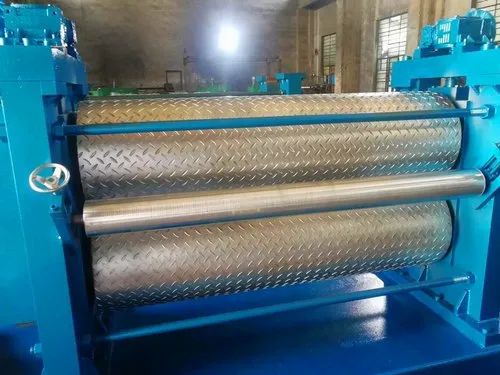
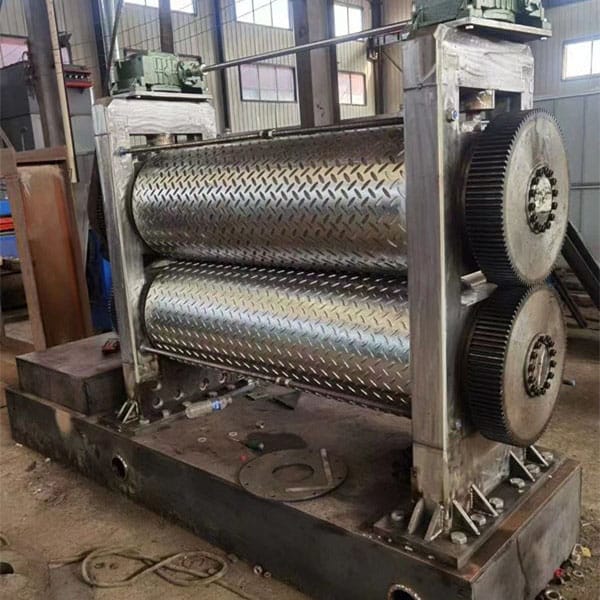
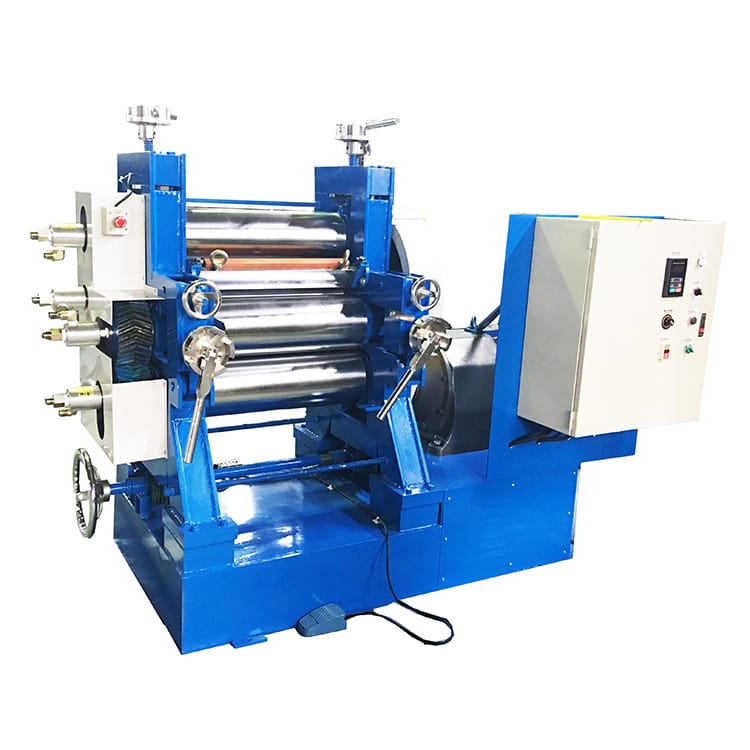
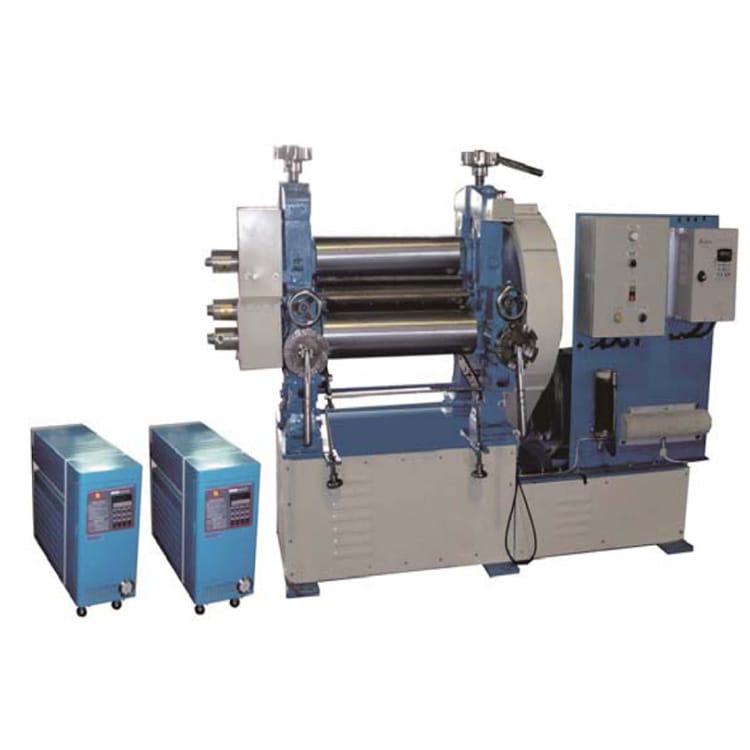
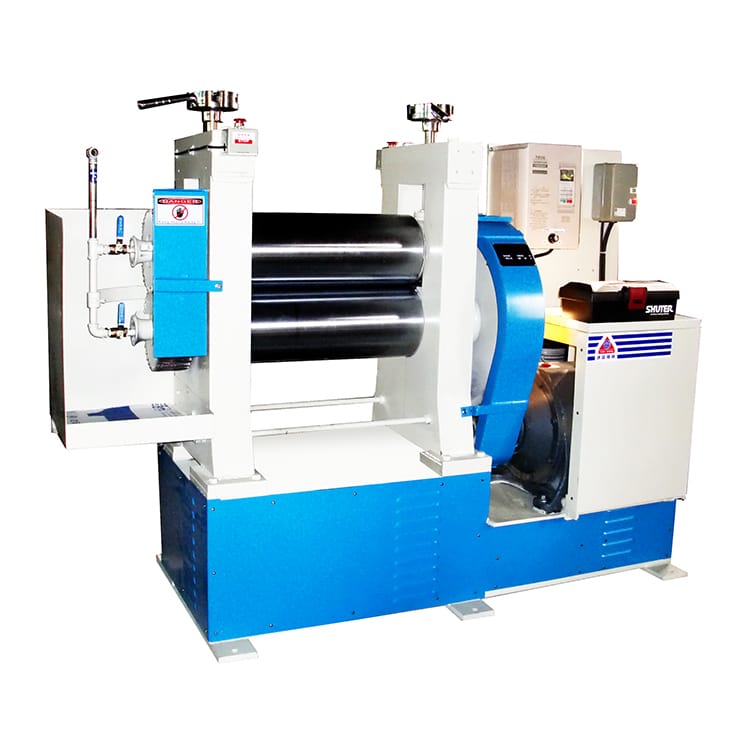
An embossing machine is used to create raised (embossed) or recessed (debossed) patterns, logos, text, or designs on a variety of materials. It works by pressing a die and counter-die onto the material with heat and pressure.
Used for: Embossing business cards, letterheads, wedding invitations, book covers, and certificates.
Purpose: Adds a premium, tactile quality and visual appeal.
Used for: Embossing logos, patterns, or textures on boxes, labels, and cartons (e.g., for luxury goods or cosmetics).
Purpose: Enhances brand recognition and product value.
Used for: Embossing patterns on synthetic fabrics, leather, and nonwovens.
Purpose: Creates decorative effects or functional textures.
Used for: Embossing decorative or functional textures on plastic sheets or films (e.g., anti-slip, frosted finish).
Applications: Decorative laminates, panels, or packaging.
Used for: Embossing logos, patterns, or textures onto belts, wallets, bags, shoes, etc.
Purpose: Customization, branding, and aesthetics.
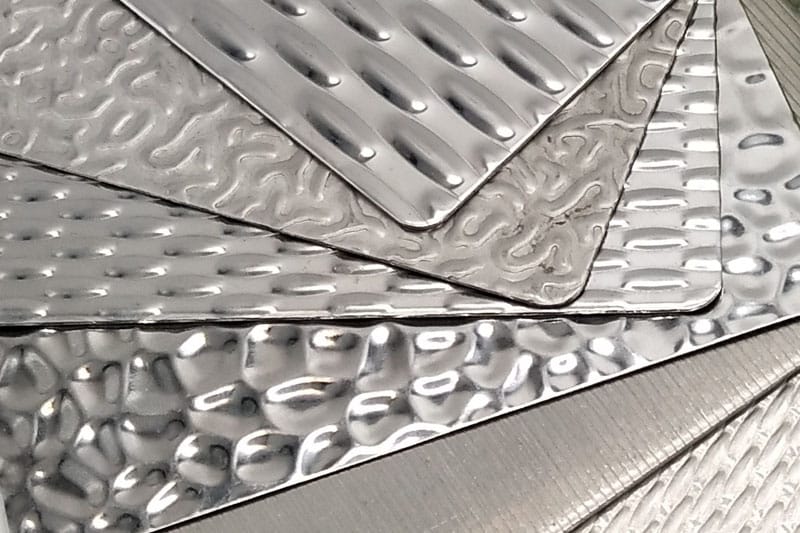
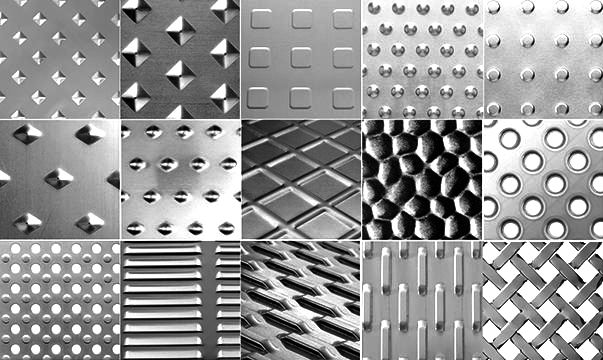
Used for: Light embossing of aluminum, copper, or steel sheets.
Applications: Decorative panels, nameplates, signs.
Note: In heavier metal applications, this may be called “metal embossing” or “stamping.”
Used for: Embossing characters on ID cards, credit cards, and vehicle plates.
Purpose: Durable marking for traceability or authentication.
Manual Embossing Machines: For low-volume or craft use.
Hydraulic or Pneumatic Embossing Machines: For industrial and high-precision applications.
Roll-to-roll Embossing Machines: For continuous production of embossed films, foils, or textiles.
Let me know what material or product you’re working with, and I can suggest the most suitable type of embossing machine.
With years of experience in mechanical and rotary engraving, we deliver precision, durability, and customization across a wide range of industries. Whether you’re looking for deep-engraved metal nameplates, textured rollers for high-speed production, or branded components that stand the test of time, we offer high-quality solutions tailored to your needs.
Let us help bring your project to life—with craftsmanship, accuracy, and a commitment to quality that speaks for itself.
510, Colonnade-2, B/h. Rajpath Club, Bodakdev, Ahmedabad-380059.
+91 9898898046
+91 9898898023
Contact us today to discuss your requirements or request a free quote.