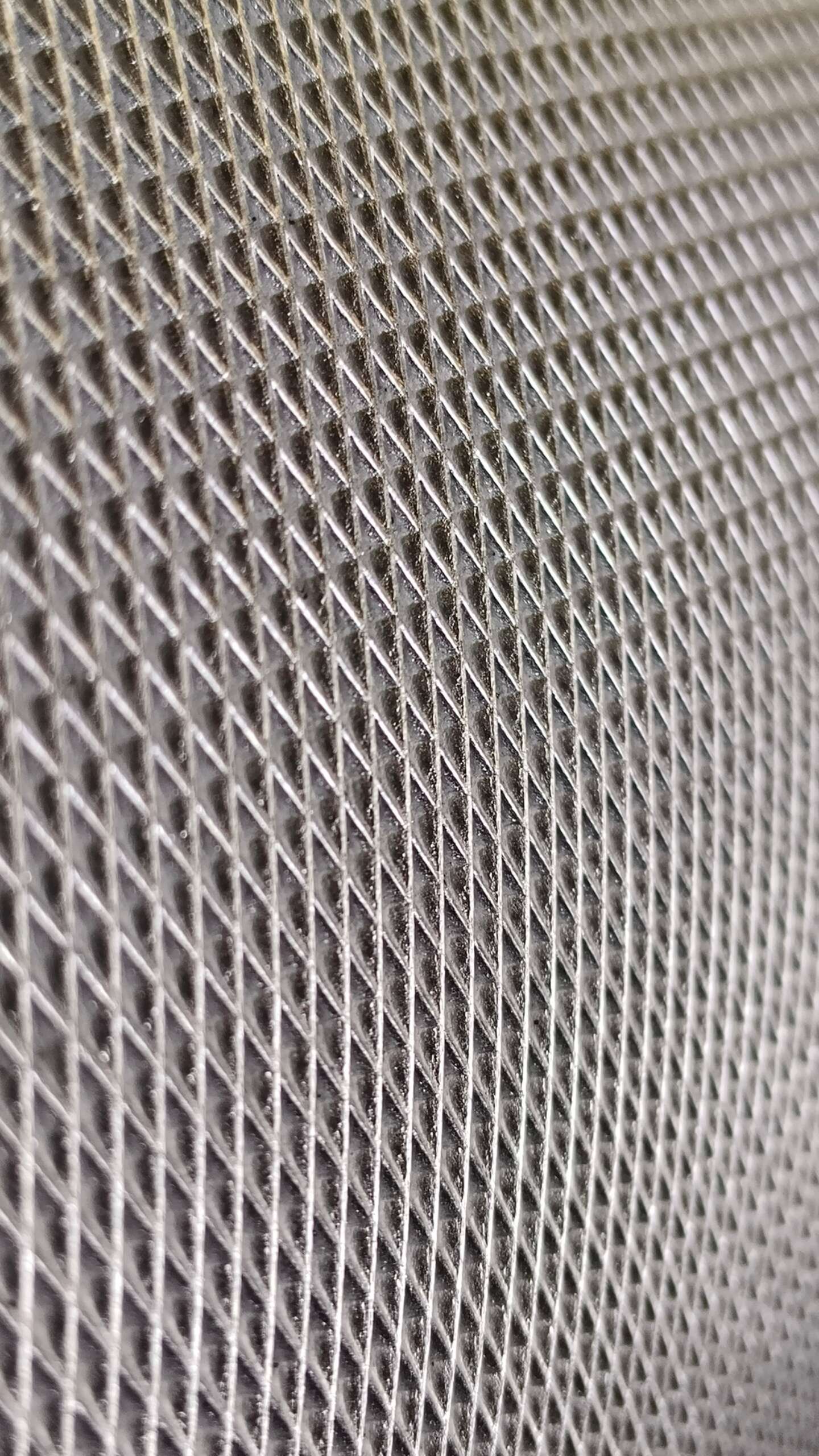
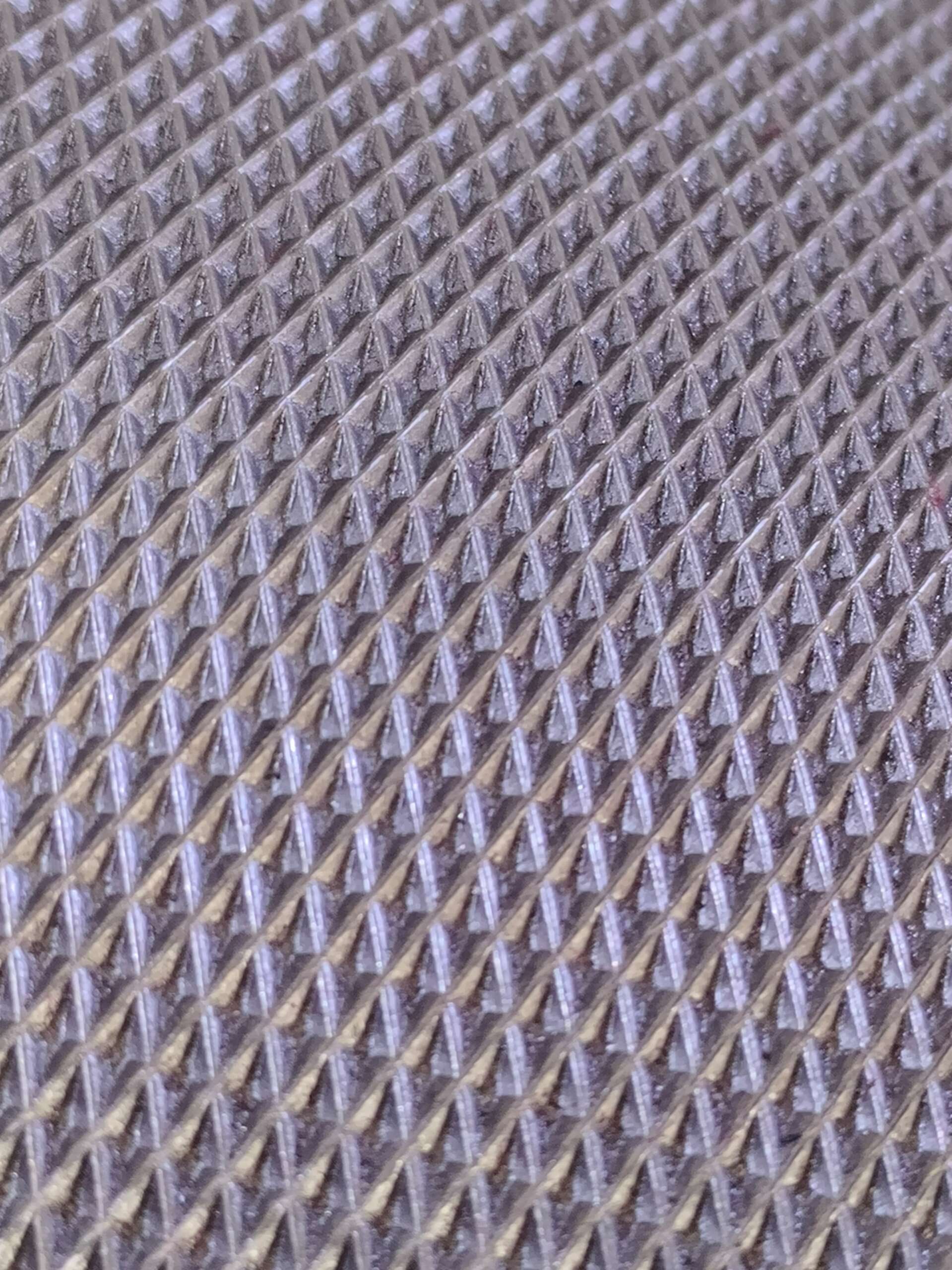
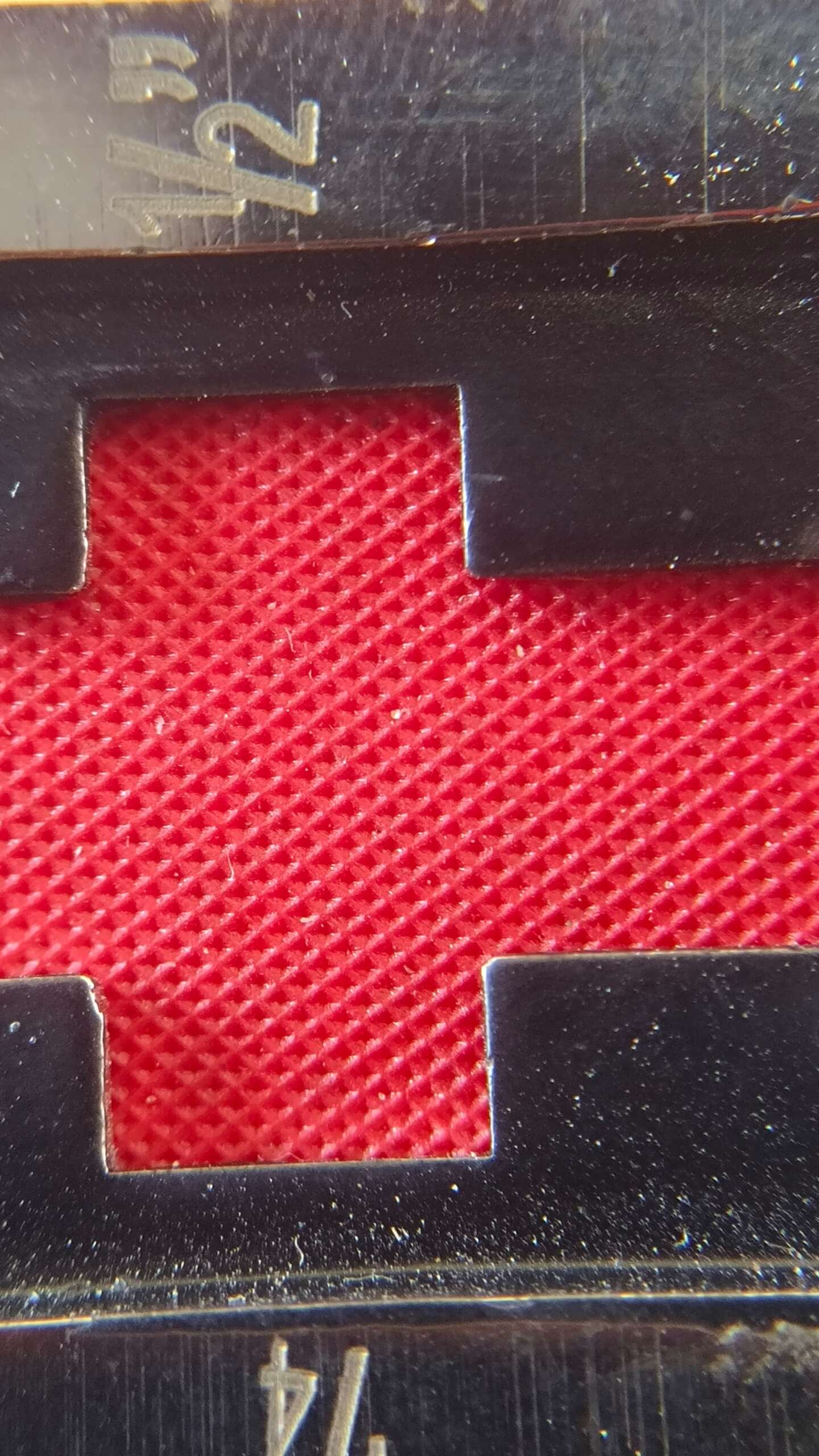
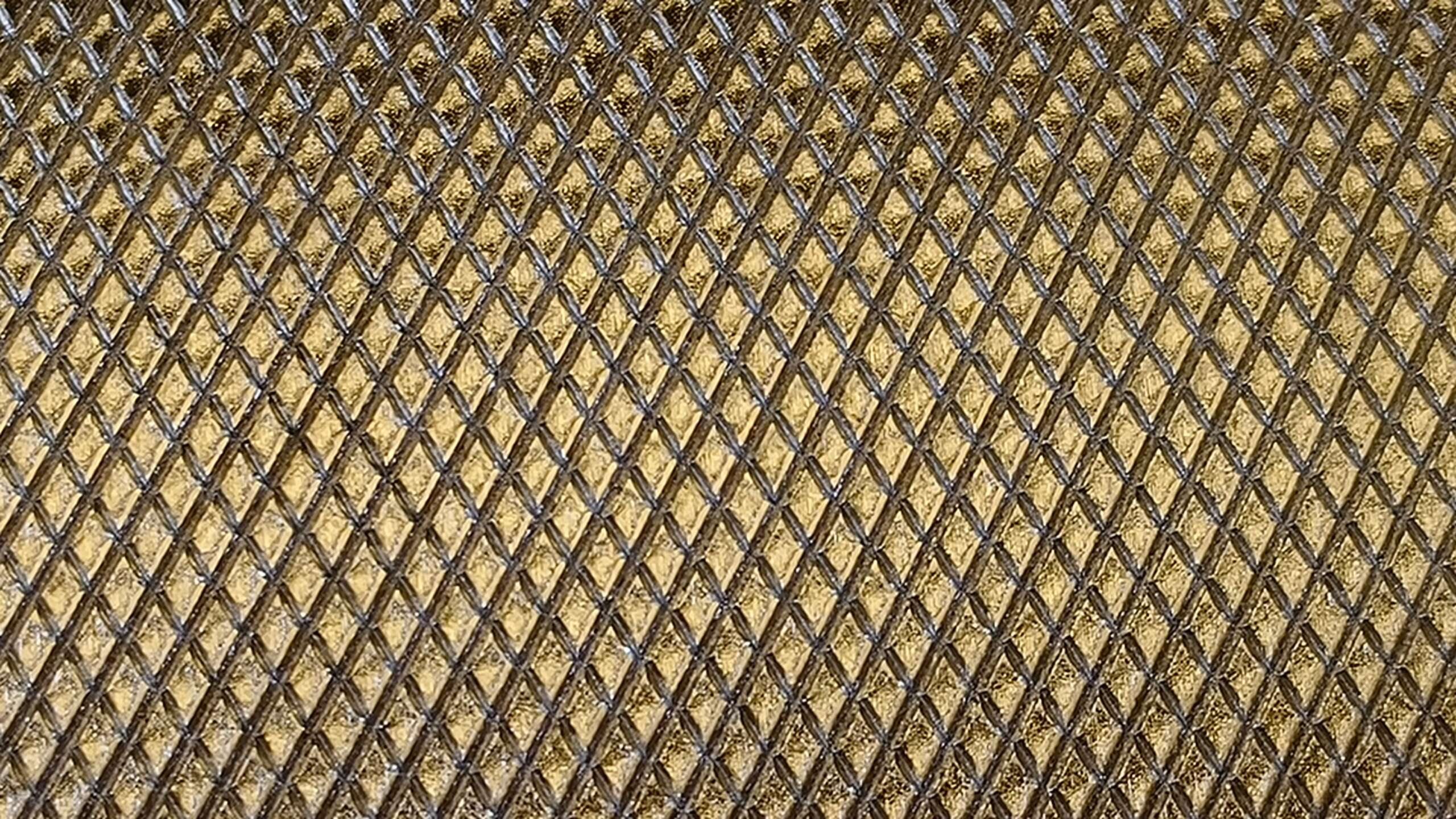
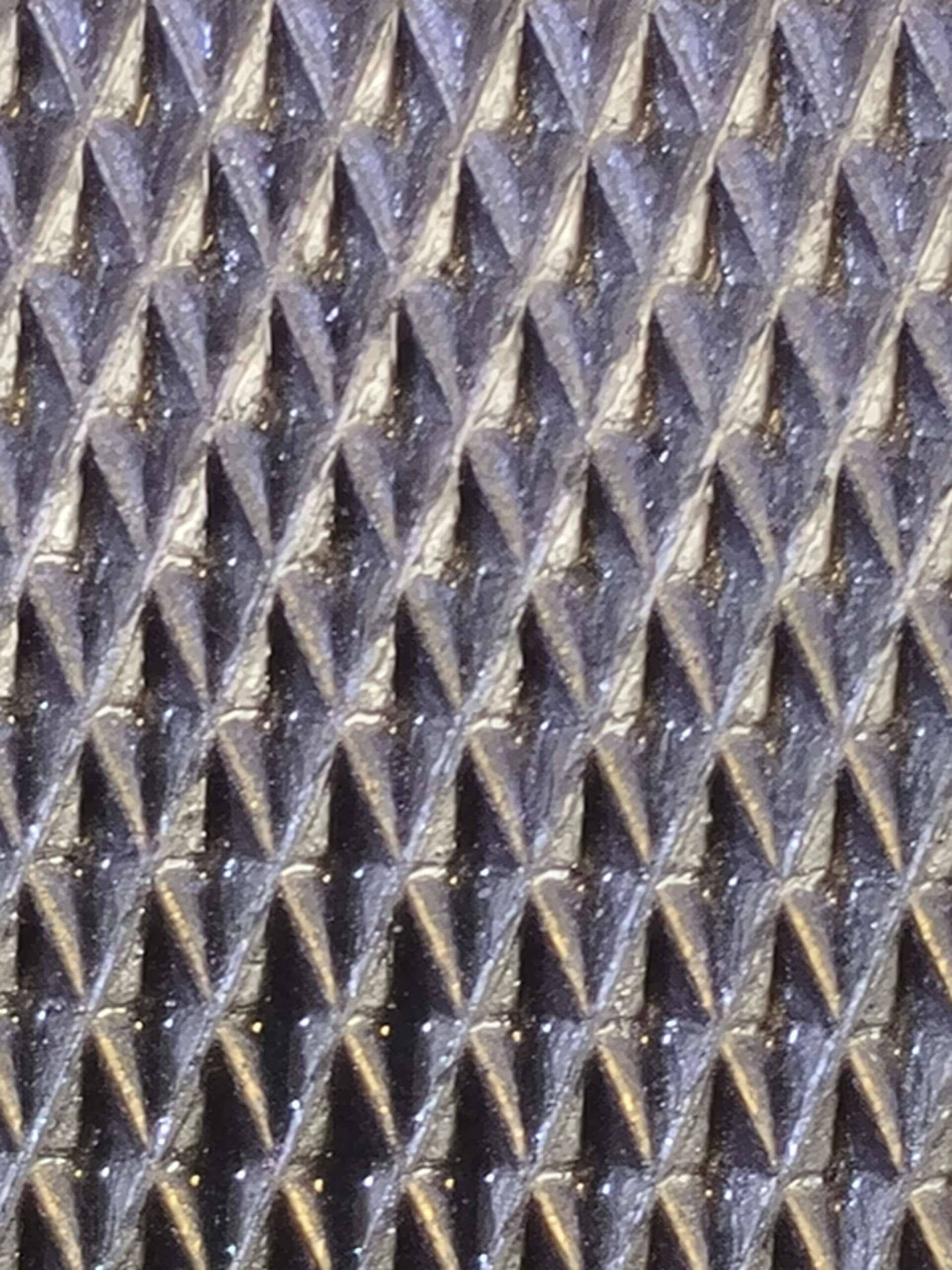
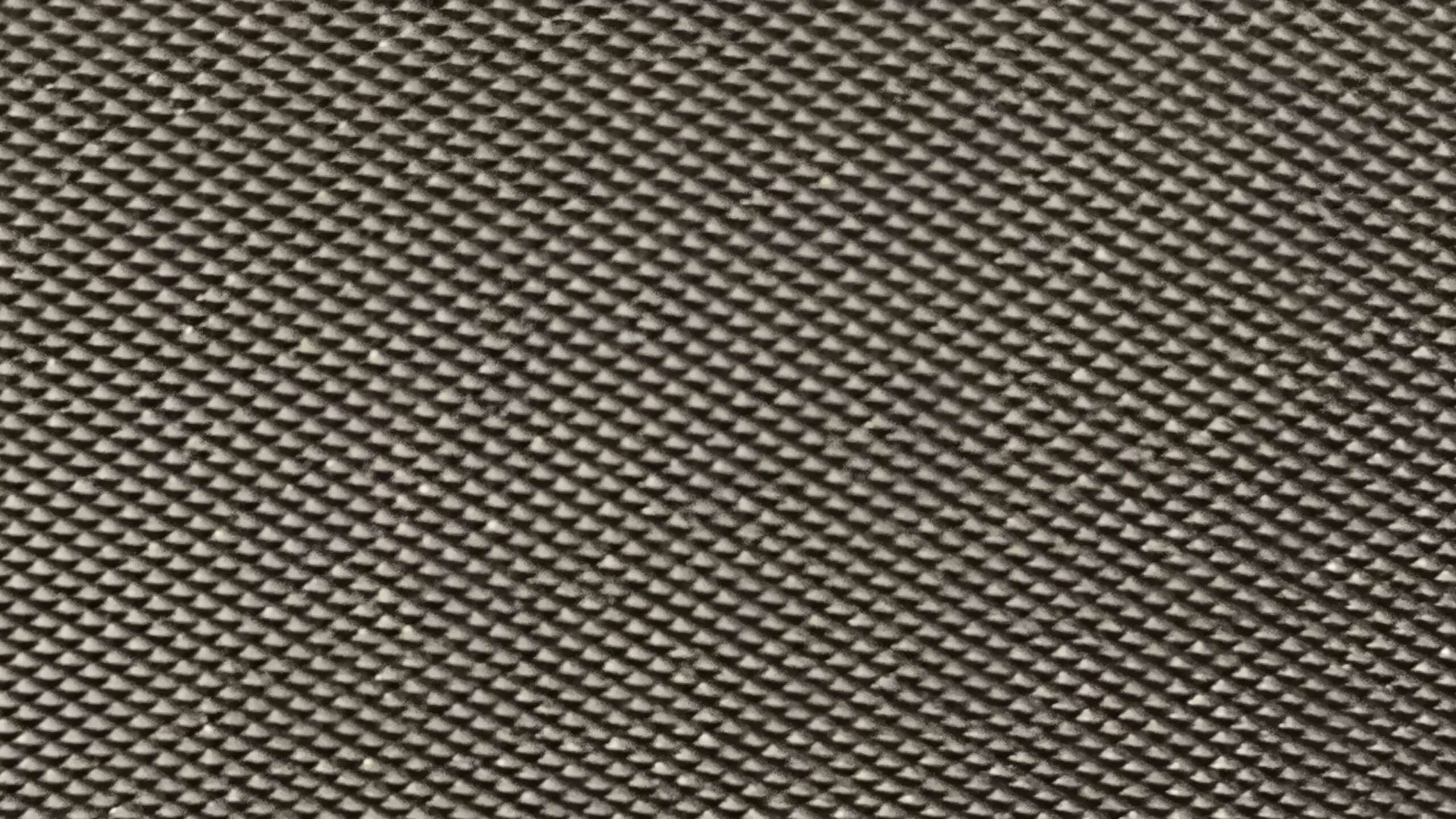
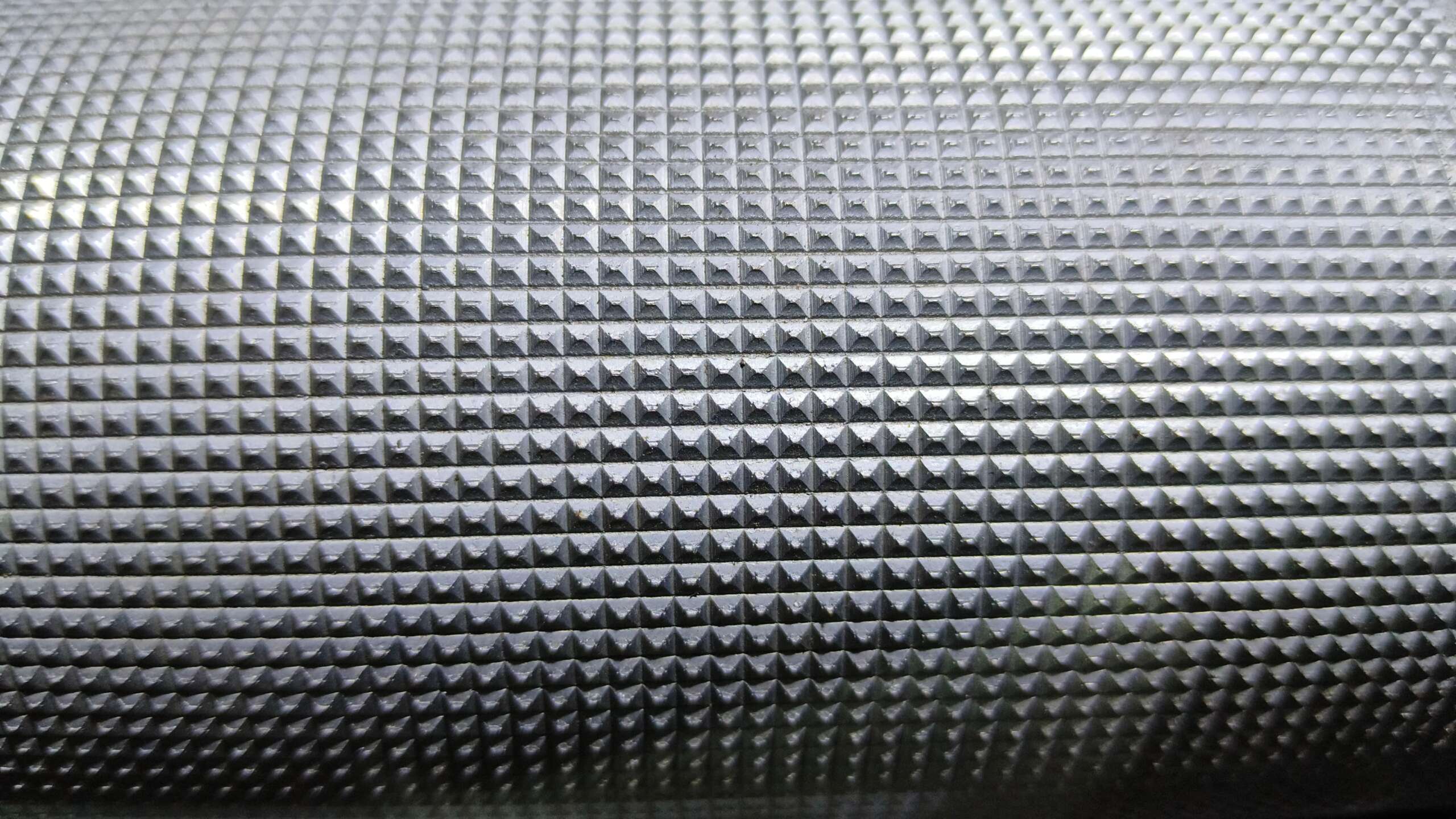
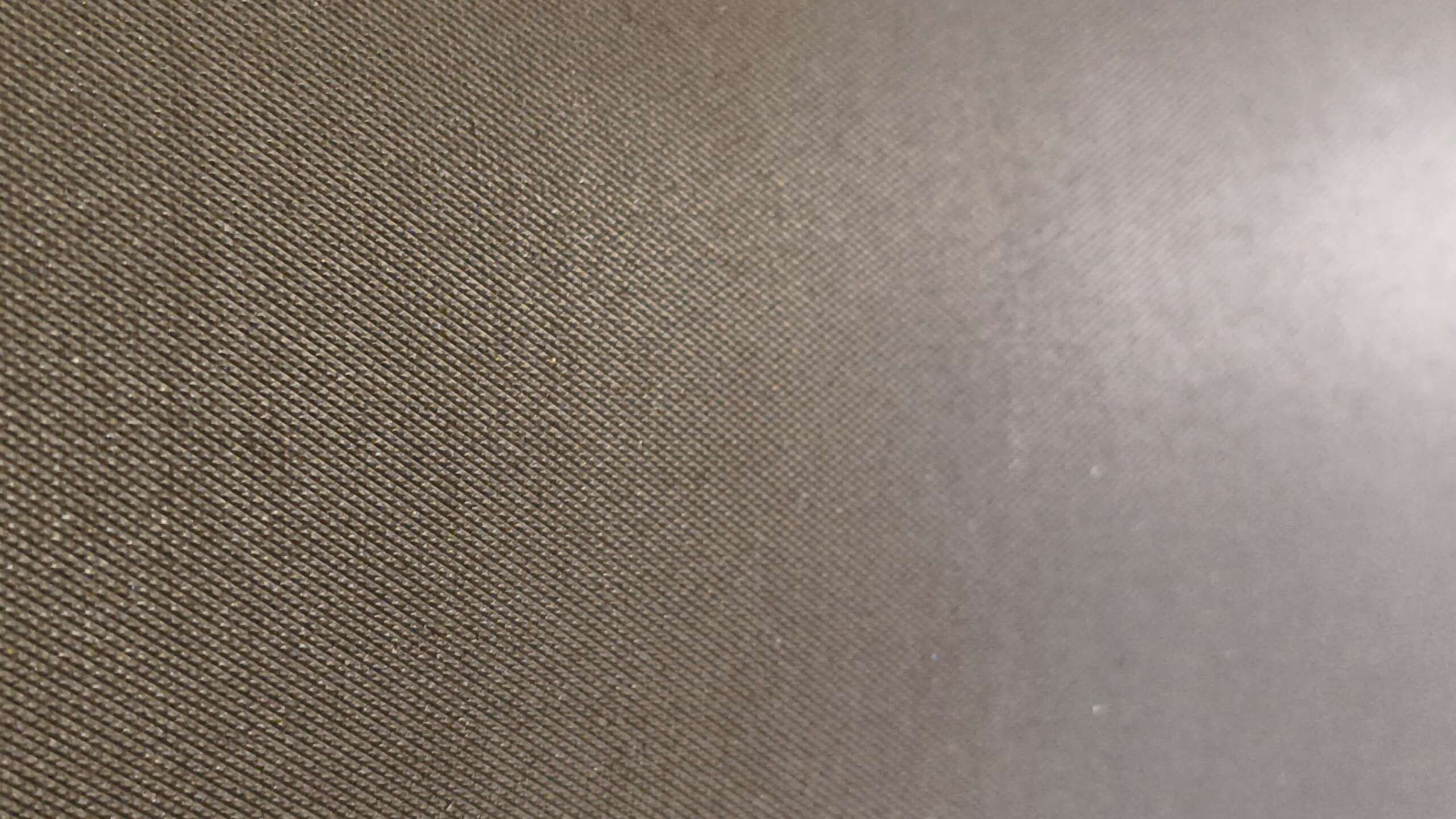
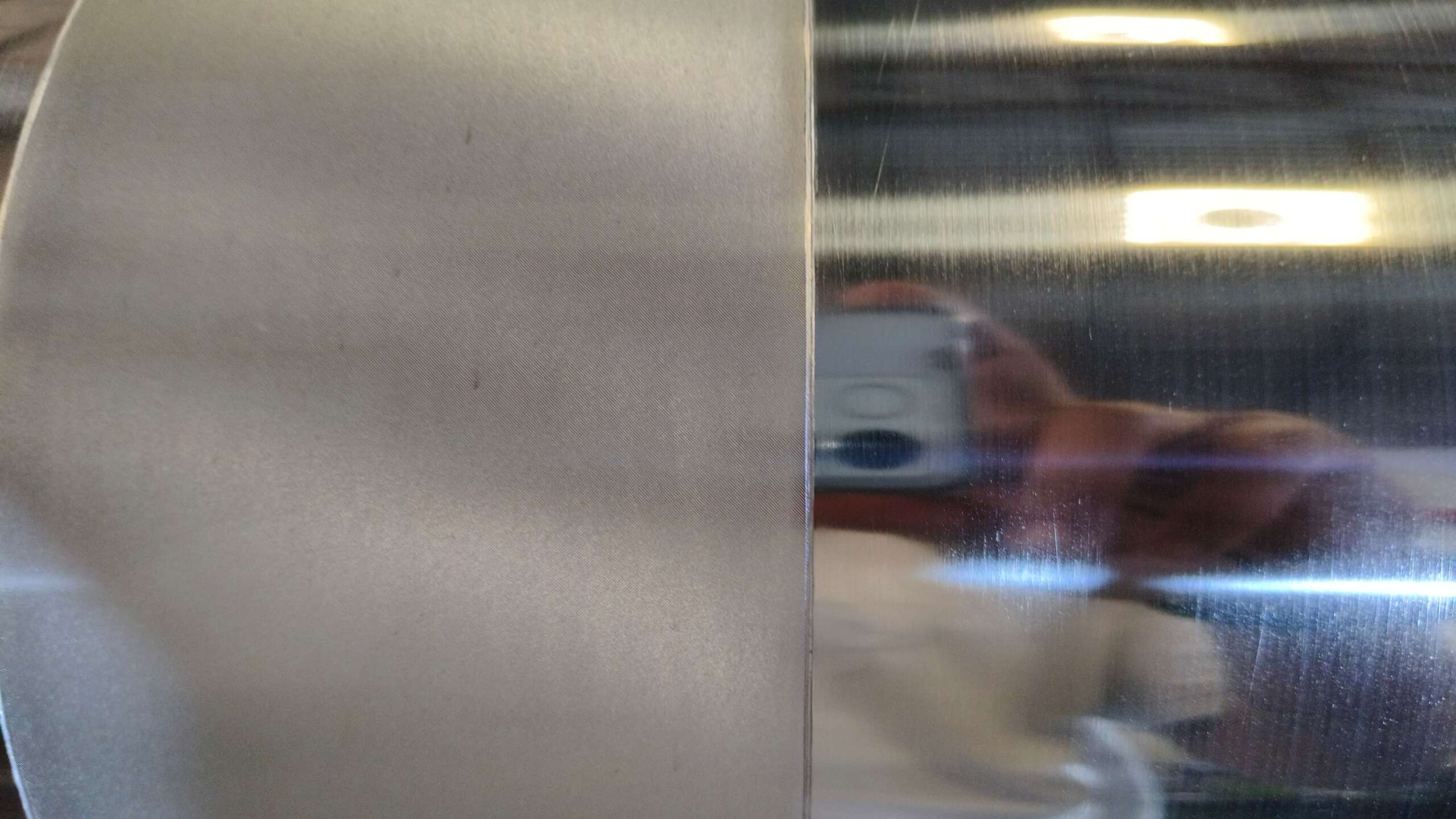
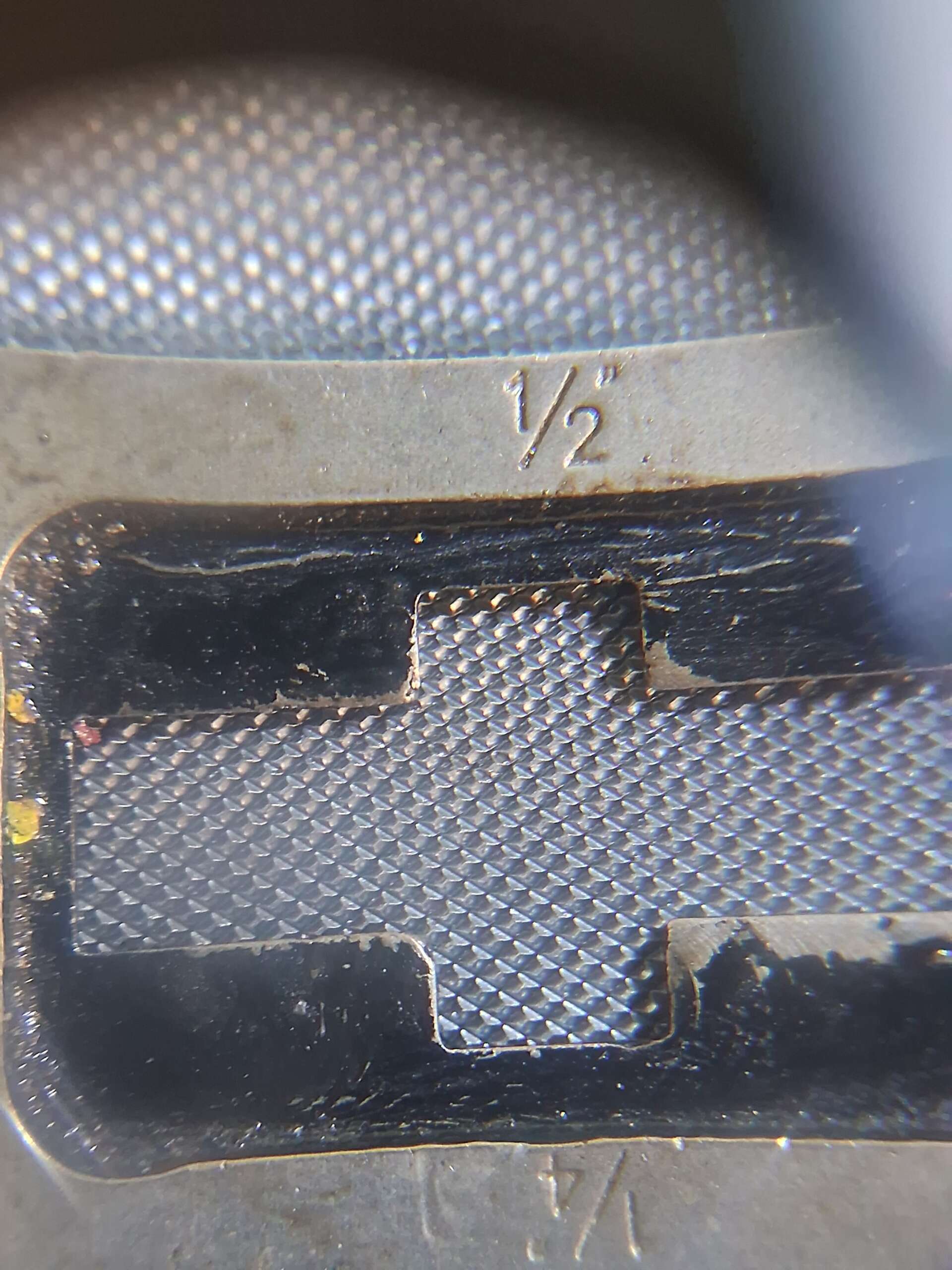
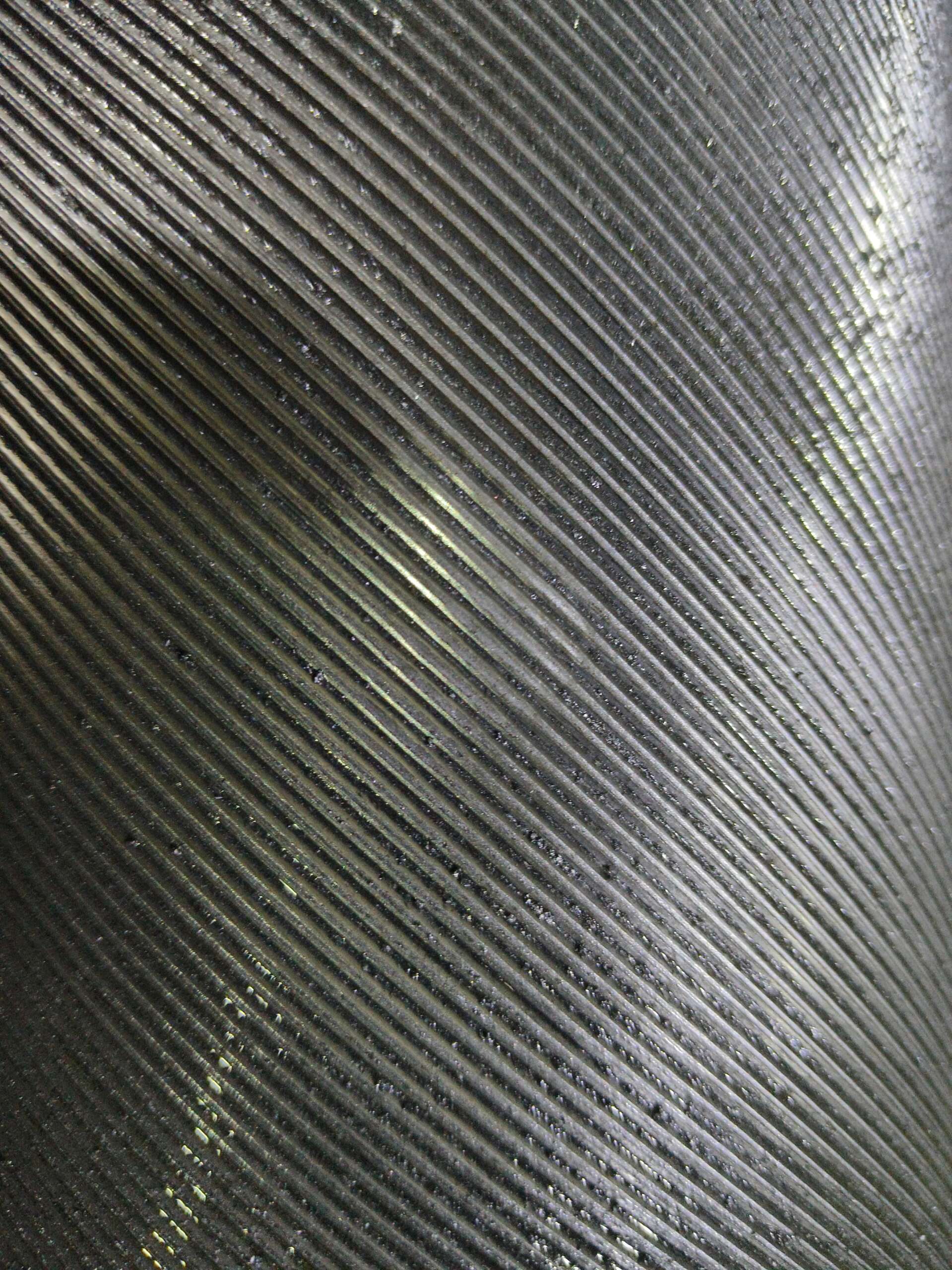
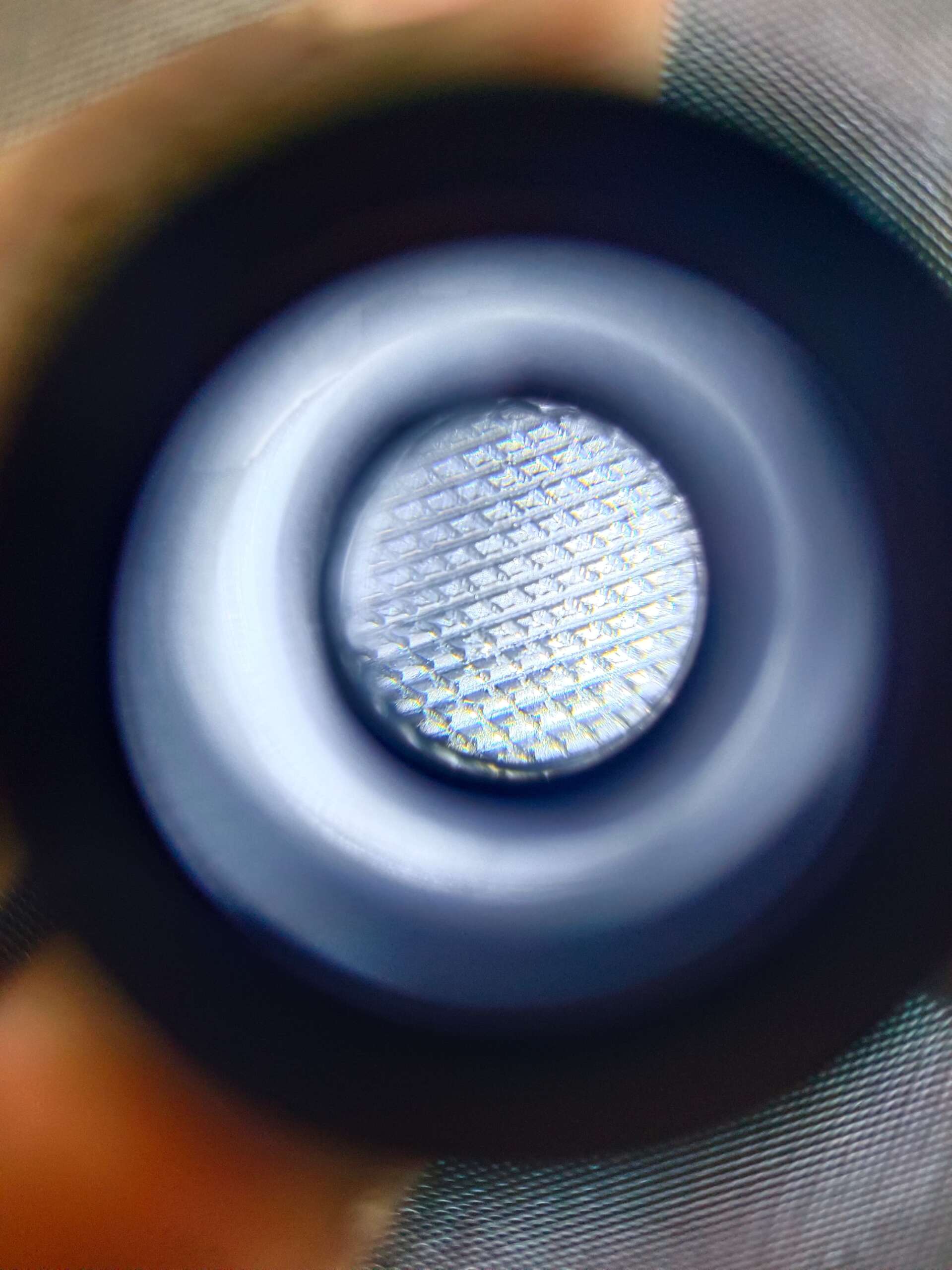
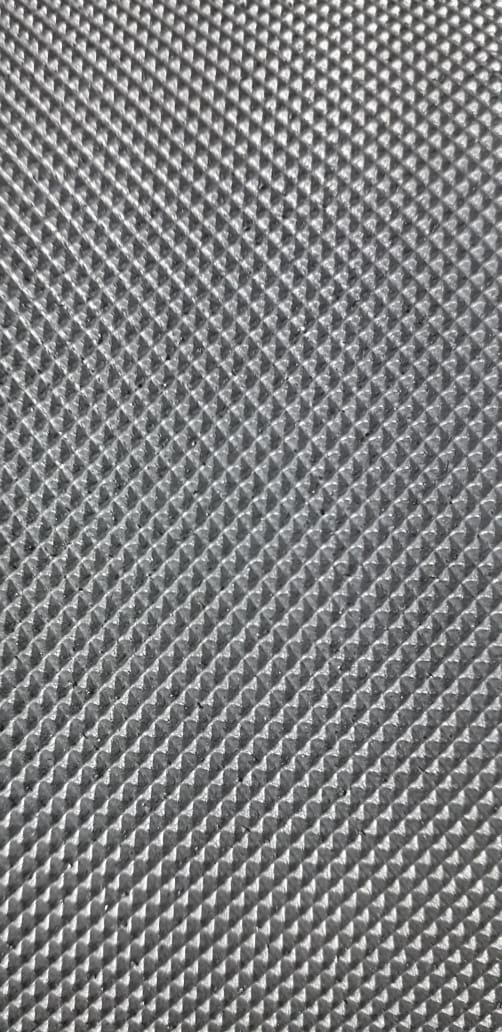
Used for: Creating grip surfaces on metal parts like tool handles, knobs, fasteners, or shafts.
Purpose: Enhances grip, prevents slippage, and improves safety.
Used For: Heat-sealing machines for plastic films or foil.
Purpose: Applies pressure and a patterned texture to create strong, uniform seals in pouches, sachets, and blister packs.
Used for: Adding texture to plastic sheets, films, or profiles.
Purpose: Provides anti-slip surfaces, improves bonding in laminates, or adds aesthetic appeal.
Used for: Creating embossed or textured patterns on synthetic or coated fabrics.
Applications: Improves tactile feel or adds design features.
Used for: Laminating processes to improve adhesion between layers by increasing surface area via texture.
Purpose: Feeding rollers to reduce slippage.
Used for: Shafts, pins, or rollers where a press-fit or friction grip is needed.
Applications: Ensures secure mechanical connections.
Straight knurling: Linear grip (good for press-fit).
Diagonal knurling: One-directional pattern (aesthetic + grip).
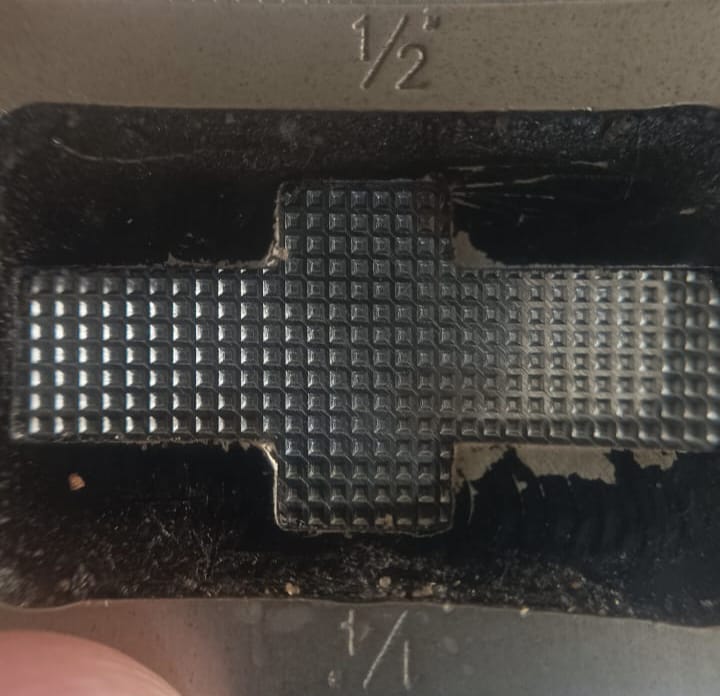
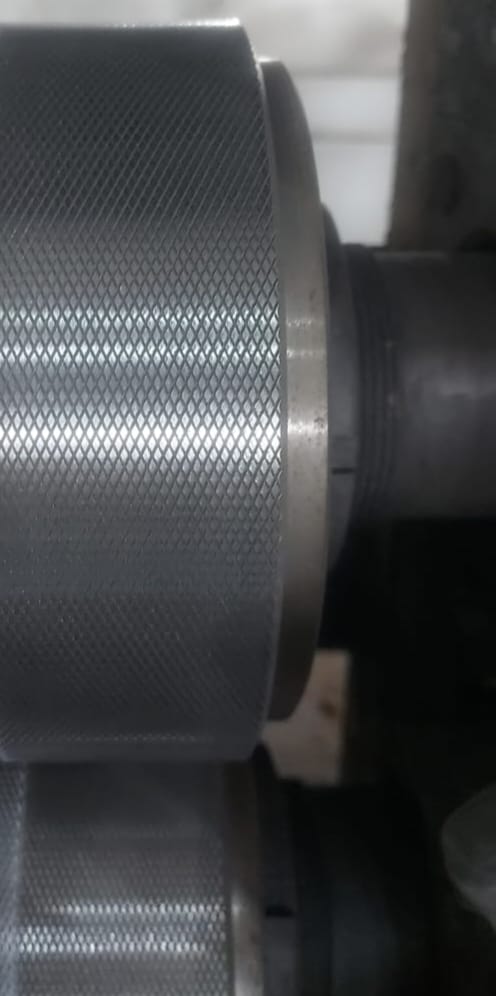
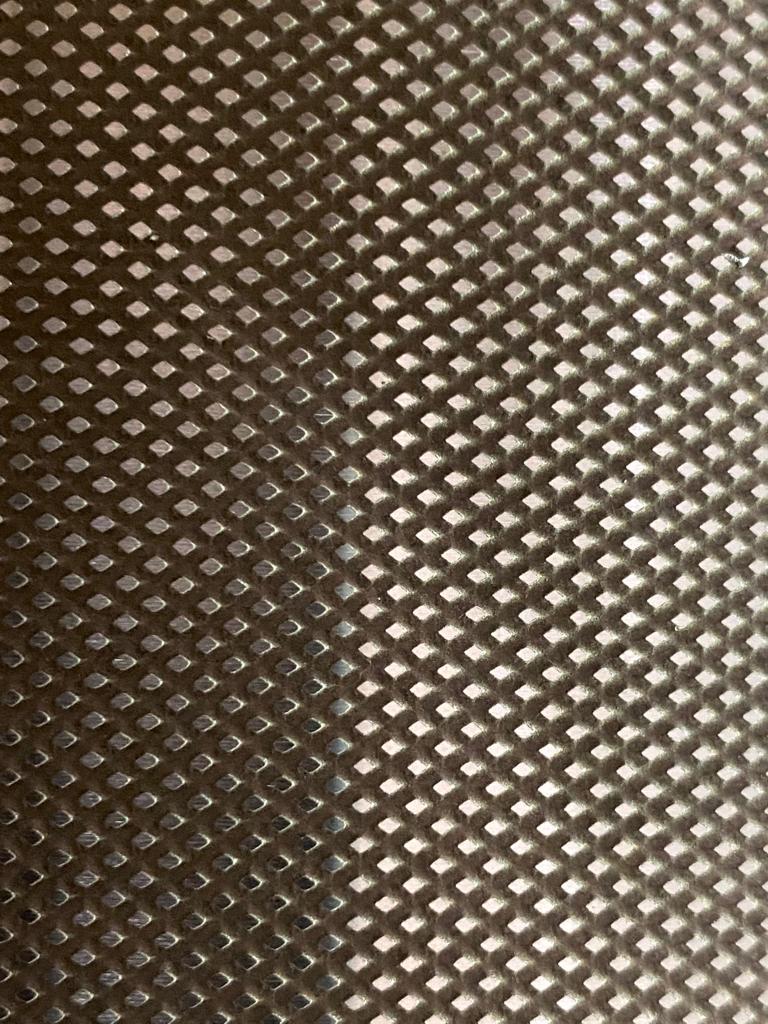
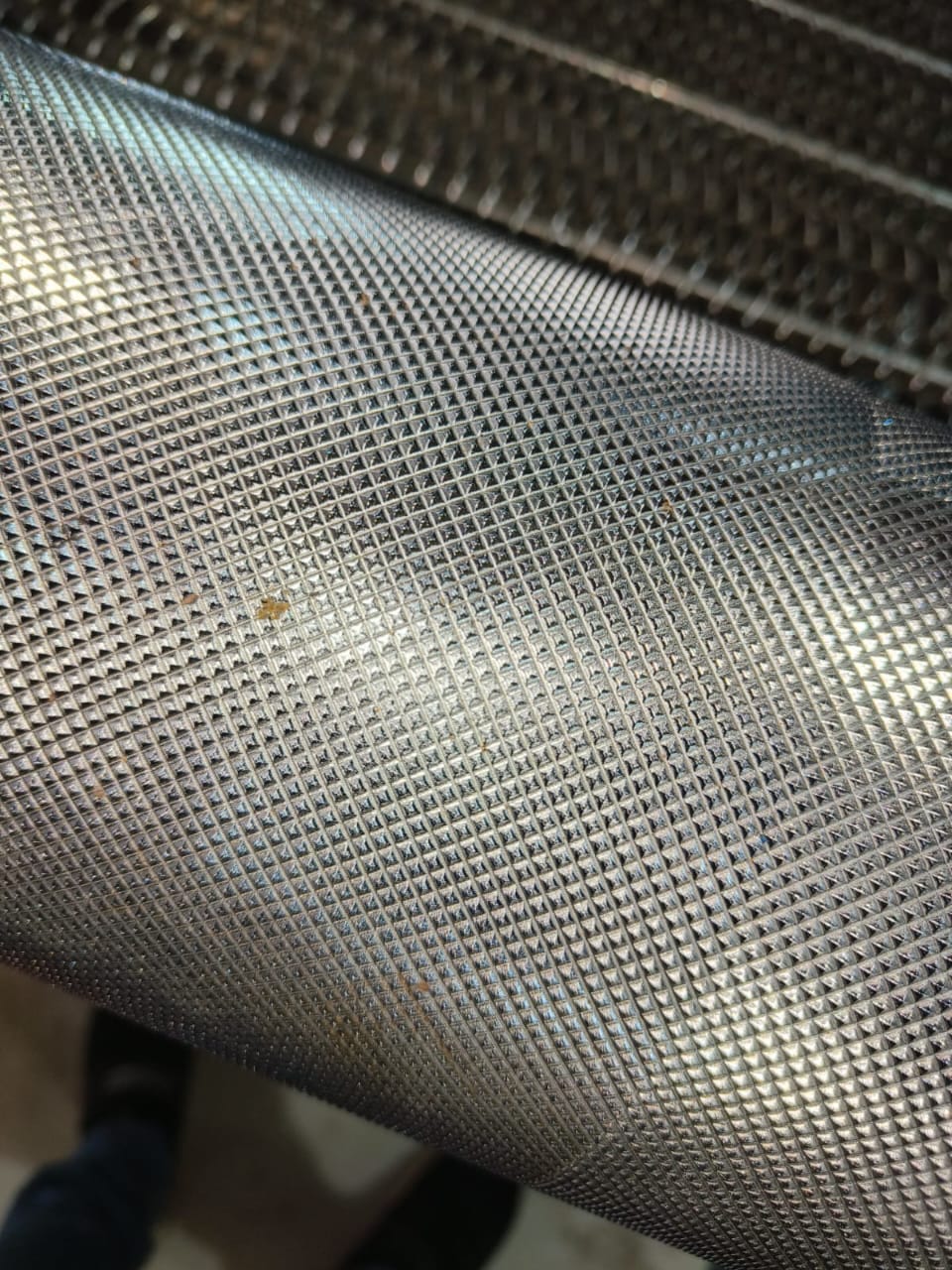
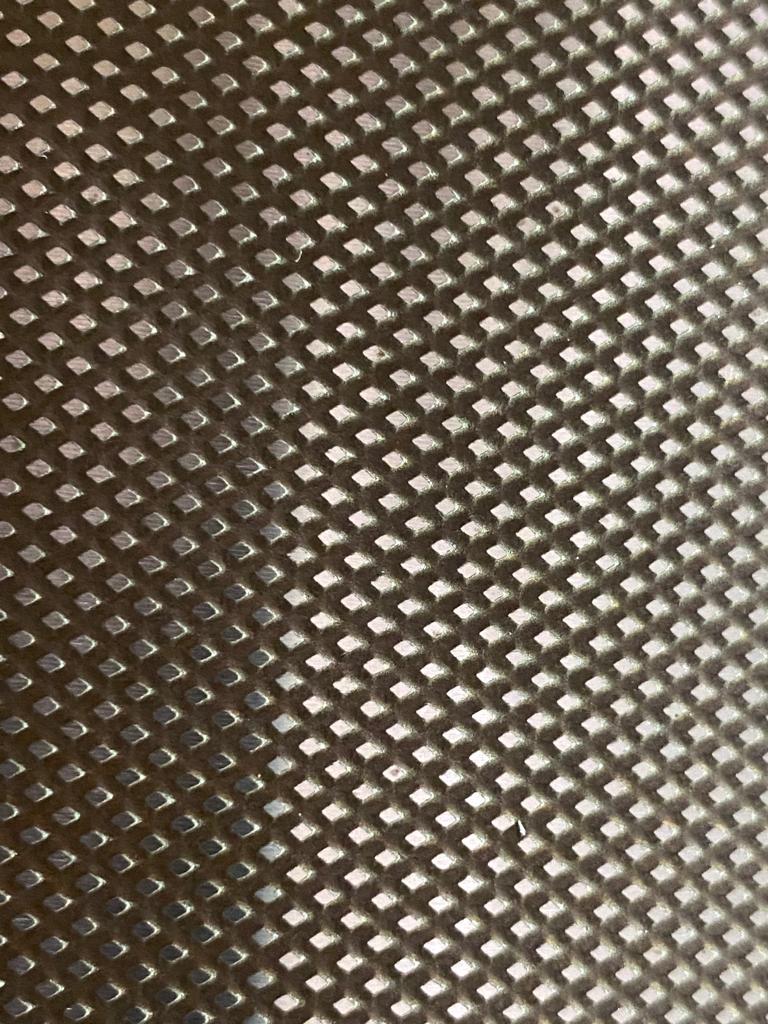
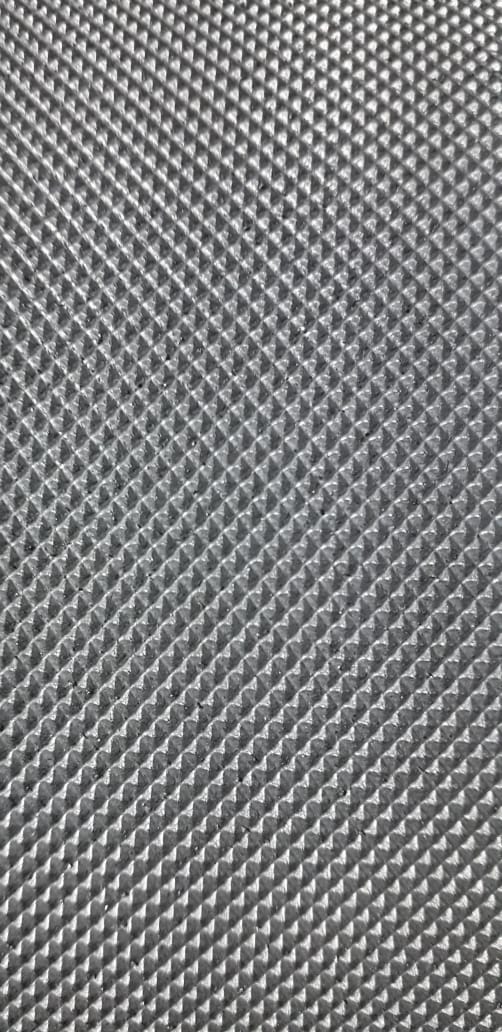
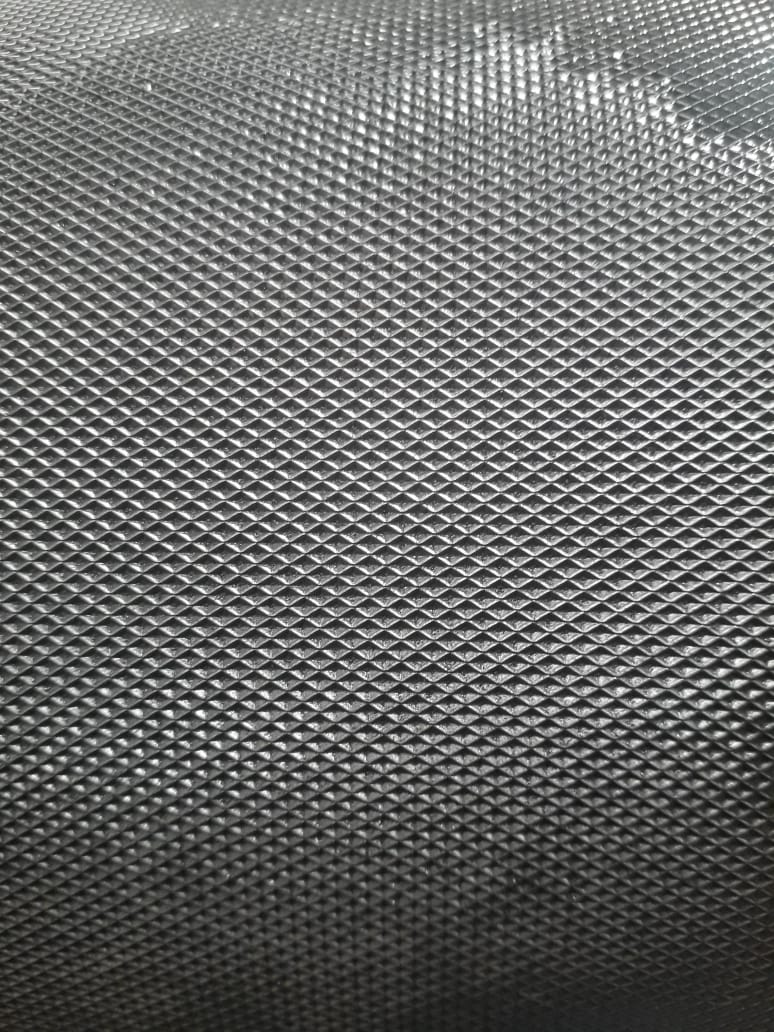
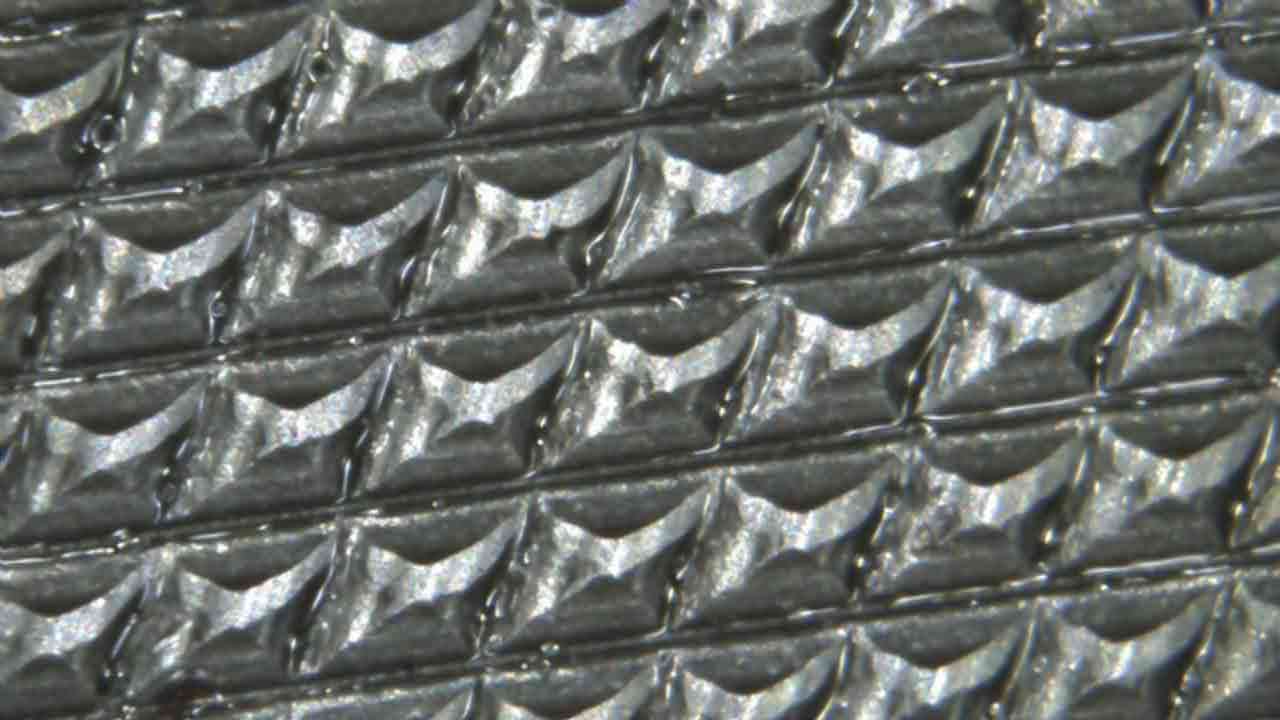
Cross-hatch (diamond) knurling: High-friction grip surface (common in tools).
With years of experience in mechanical and rotary engraving, we deliver precision, durability, and customization across a wide range of industries. Whether you’re looking for deep-engraved metal nameplates, textured rollers for high-speed production, or branded components that stand the test of time, we offer high-quality solutions tailored to your needs.
Let us help bring your project to life—with craftsmanship, accuracy, and a commitment to quality that speaks for itself.
510, Colonnade-2, B/h. Rajpath Club, Bodakdev, Ahmedabad-380059.
+91 9898898046
+91 9898898023
Contact us today to discuss your requirements or request a free quote.